Novel
Membrane Platforms
Combined Sensor Measurements
Biocompatible Membrane Patterning
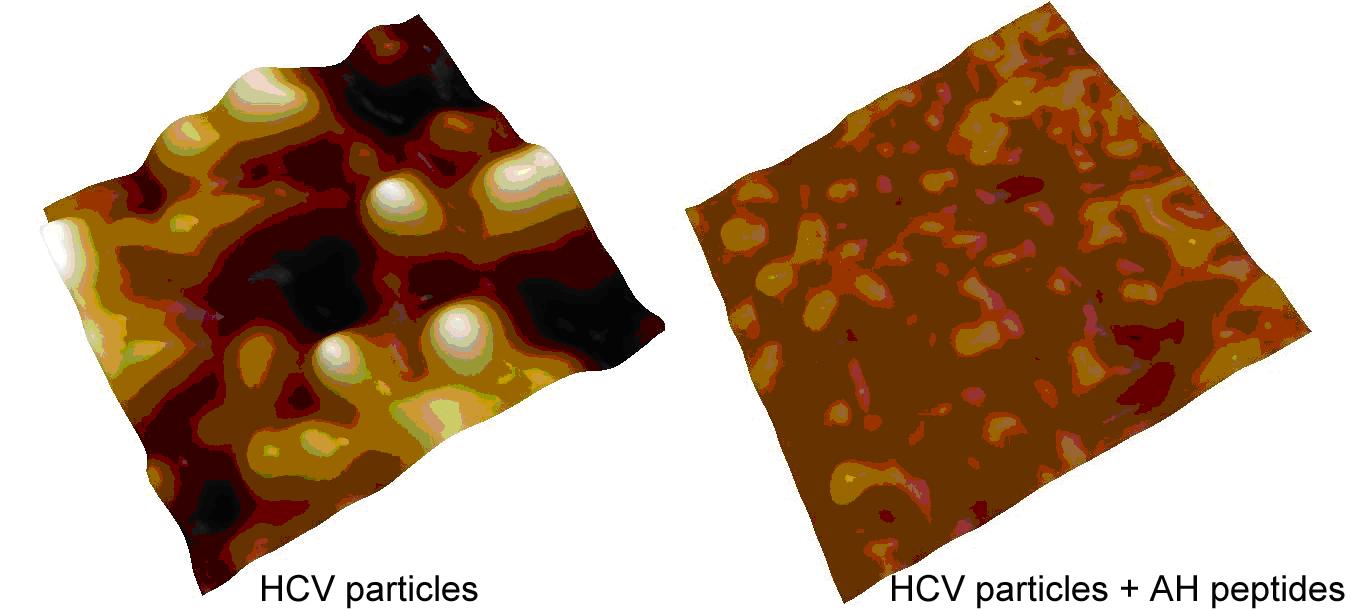
Investigation of the Hepatitis C Virus with Biomimetic Sensor
Platforms
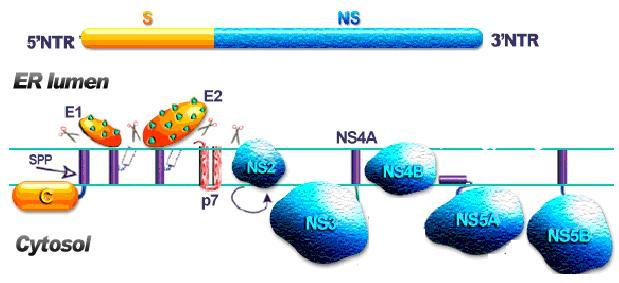
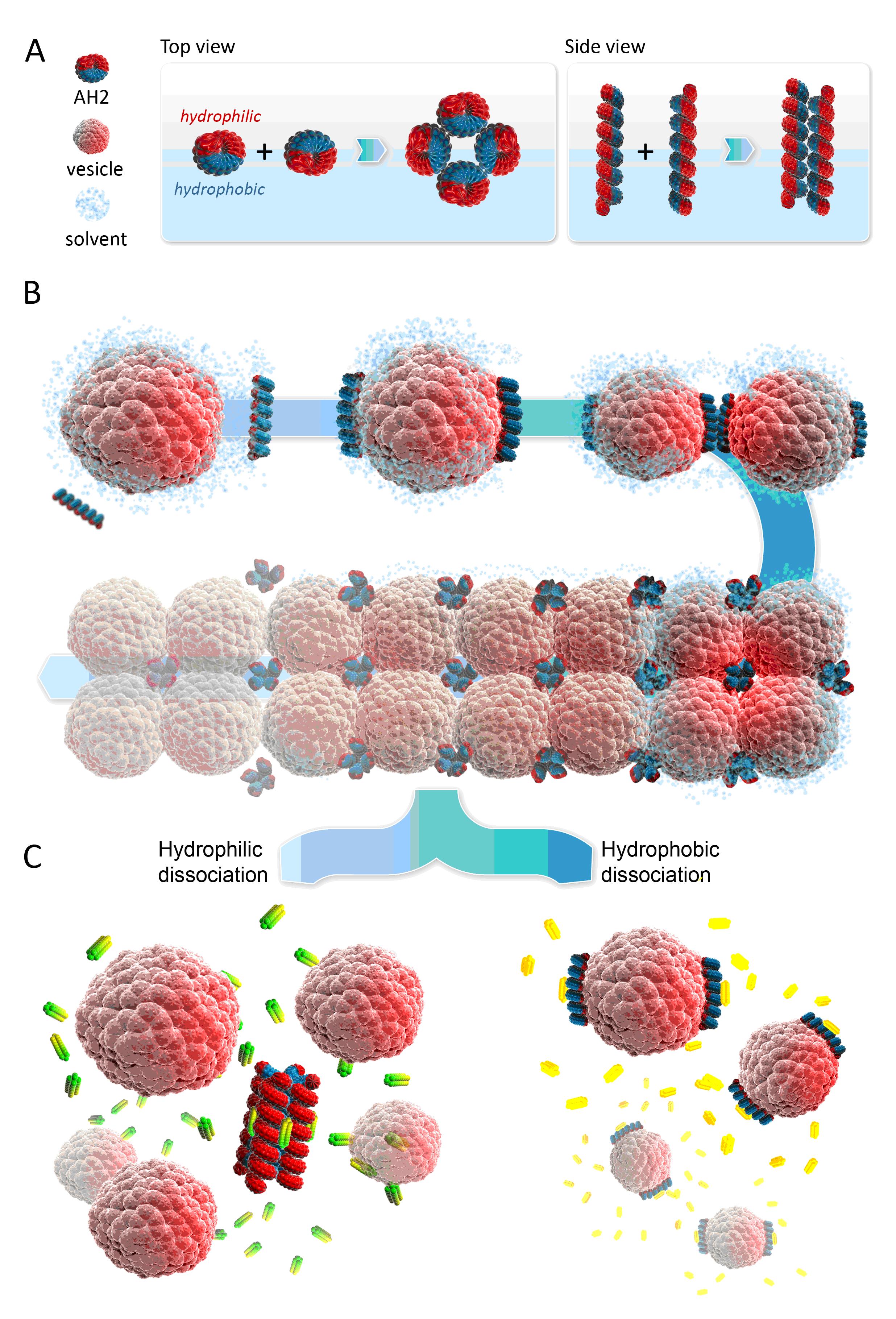
The hepatitis C virus (HCV) is an important cause of chronic liver disease, infecting over 150 million people worldwide. Current treatment for HCV is based on interferon and ribavirin, which are associated with significant toxicities and suboptimal efficacy for many patients, highlighting the need for new therapies. My ongoing postdoctoral research has developed novel, engineering-based approaches to advance our knowledge of hepatitis C virology and drug development...
The hepatitis C virus (HCV) is an important cause of chronic liver disease, infecting over 150 million people worldwide. Current treatment for HCV is based on interferon and ribavirin, which are associated with significant toxicities and suboptimal efficacy for many patients, highlighting the need for new therapies. My ongoing postdoctoral research has developed novel, engineering-based approaches to advance our knowledge of hepatitis C virology and drug development...
HCV
Molecular Virology
Antiviral Peptide Screening Platform
Identification of Small Molecule HCV
Inhibitors
Translating
Hydrogel Technology into Novel Engineered Liver Tissues
The development of three-dimensional (3-D) microenvironments for the growth of liver tissue would facilitate the study of hepatitis virus infections in a more natural environment. Moreover, due to the lack of adequate in vitro models for liver tissue, hepatoxicity in patients typically becomes evident only very late in the process of drug development. An improved tissue culture platform that promotes 3-D growth of liver tissues could result in the development of more clinically effective antivirals, as well as tissues that can be transplanted into patients...
The development of three-dimensional (3-D) microenvironments for the growth of liver tissue would facilitate the study of hepatitis virus infections in a more natural environment. Moreover, due to the lack of adequate in vitro models for liver tissue, hepatoxicity in patients typically becomes evident only very late in the process of drug development. An improved tissue culture platform that promotes 3-D growth of liver tissues could result in the development of more clinically effective antivirals, as well as tissues that can be transplanted into patients...
Development
of Membrane on a Chip Technology
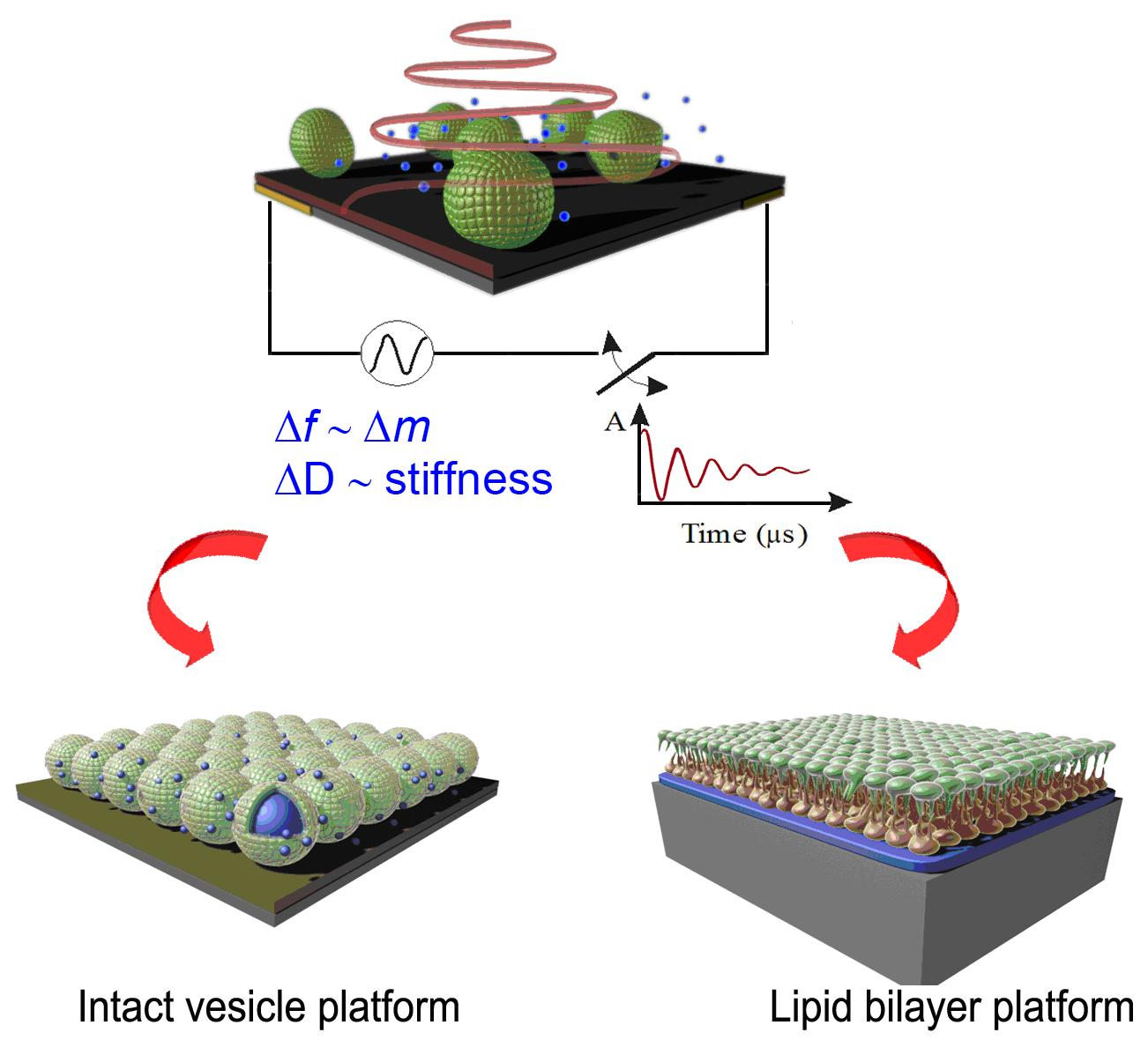
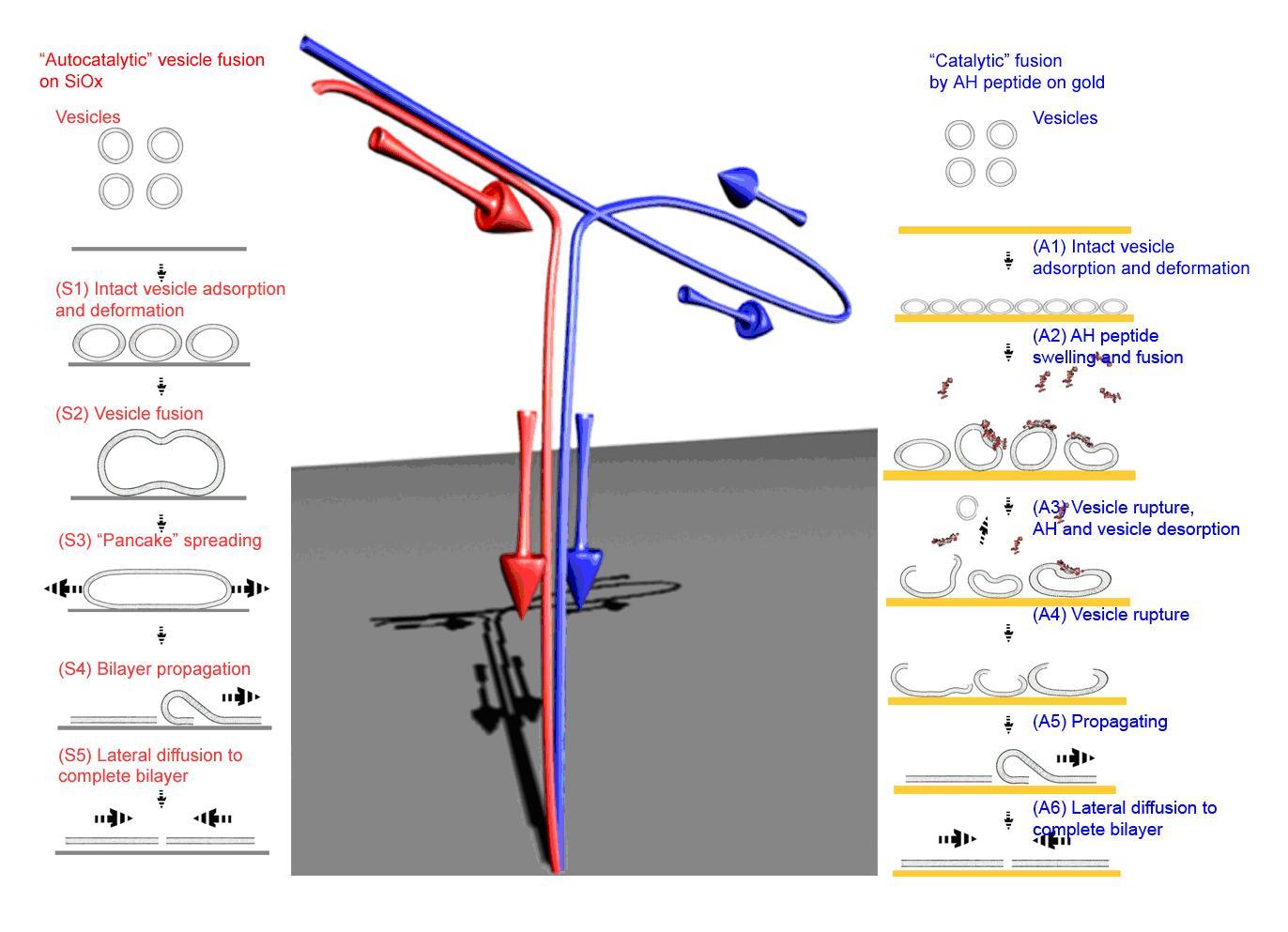
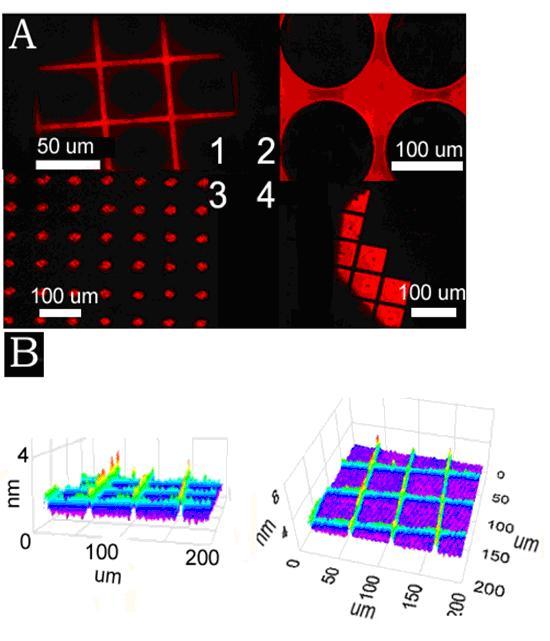
The central objective of my research is to understand molecular recognition events between biological systems and engineered membrane platforms. Depending on the macromolecular interaction of interest, an appropriately chosen combination of sensor and biomimetic platform is needed to detect and characterize the interaction...
The central objective of my research is to understand molecular recognition events between biological systems and engineered membrane platforms. Depending on the macromolecular interaction of interest, an appropriately chosen combination of sensor and biomimetic platform is needed to detect and characterize the interaction...
Nam-Joon
Cho's