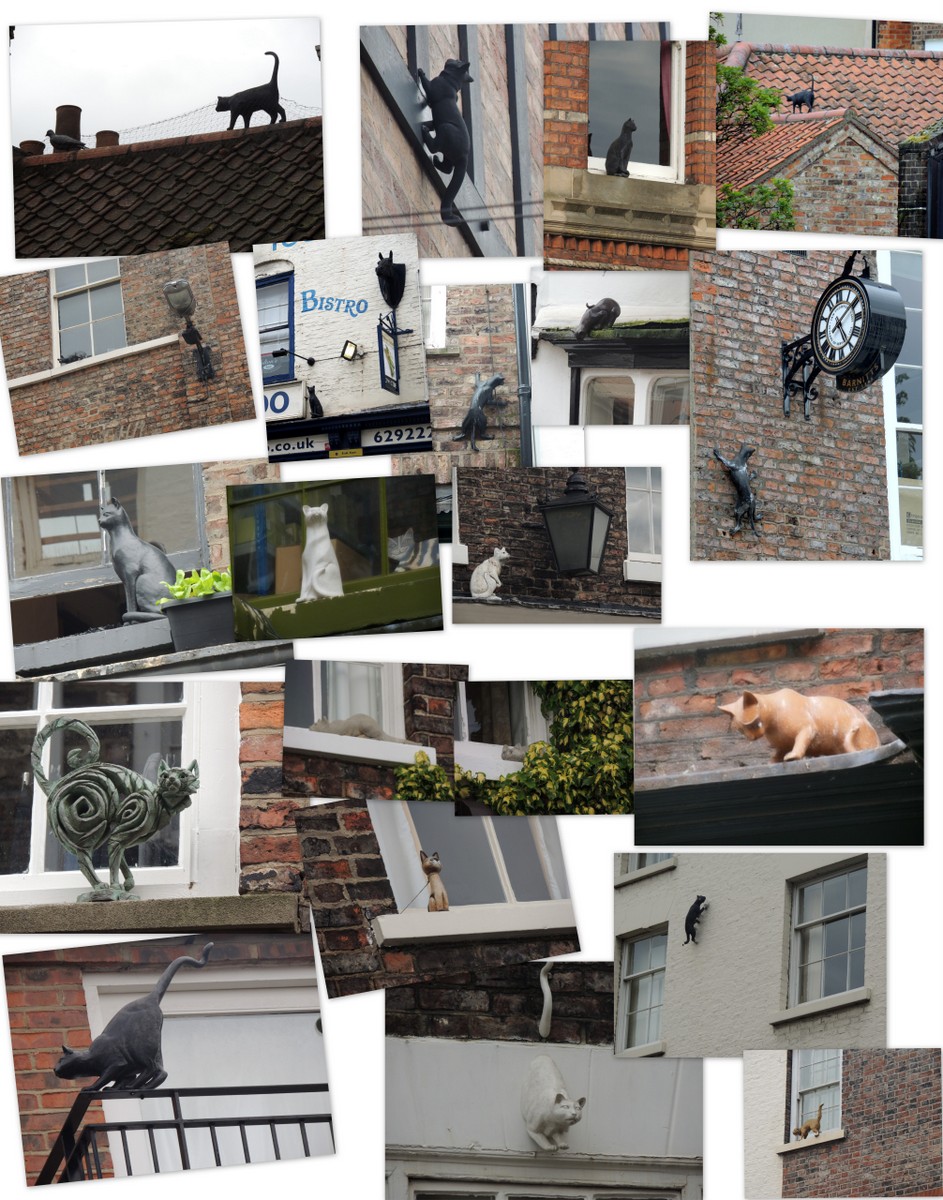
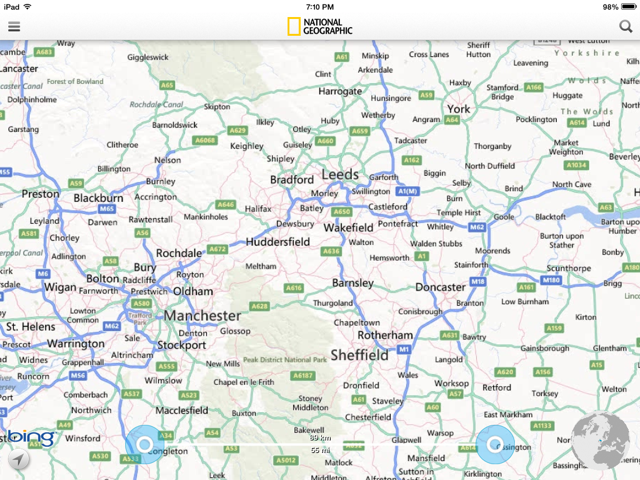
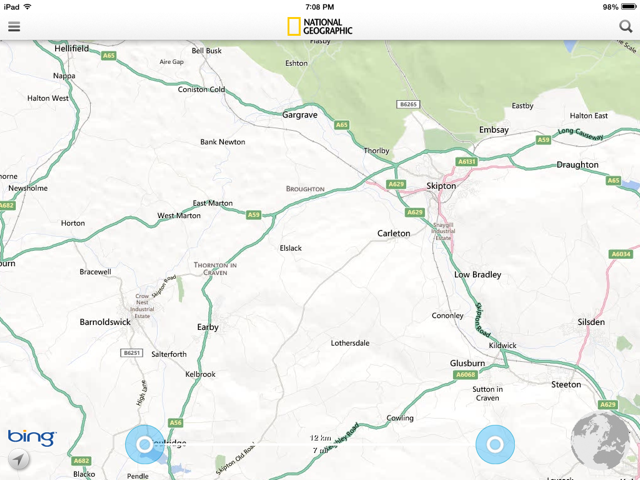
| Canal boating: We rented the 45'x7' Dorset narrow boat from Shire Cruisers, based out of Sowerby Bridge. The original plan was the Worcester, starting at Sowerby Bridge, but there was a lock problem and the Shire folks couldn't get the Worcester back to Sowerby Bridge in time. So they proposed a different boat (the Dorset) and starting point (Barnoldswick). It was an out-and-back trip, so we set off north from Barnoldswick and figured we'd see how far we got by mid-week before deciding when to turn around. These boats are a bit like floating RVs: drive them yourself and stay on them overnight. We had all our breakfasts and about two thirds of our lunches and dinners on board. The Shire folks gave us a quick rundown on the boat, observed us driving it for a bit and then met us at the first locks. We get to operate those ourselves too. We had set off at the same time as another boat (the Gloucester) and tagged along with them to learn. Though we had to figure out later how to handle a lock solo. We had to get the feel of the boat and endure some wind - there is no keel, so control is marginal. Steering by rudder also reduced control, especially when reversing. We almost managed to get the boat turned around by the wind, but just dodged that bullet. Boat speeds are 2-3 mph usually. We stopped once to take a quick look at the small village of East Marton and decided to call it a day, mooring just before the Newton bank of 6 locks leaving them for the next morning. We settled on Don and Norma manning the boat in the locks and Richard and Deb being the 'grinders', operating the lock sluices and gates. The basic idea of the locks is to get the chamber you're entering to the same water level as the next one either by filling or draining it, then open the gate to the next chamber (now at same level) and exit the lock. This is done with hand cranked sluices and gates that are held closed by water pressure. Once the levels have equilibrated, the gates are easy to open or close. A routine day involved around 9 locks; about half the days had locks to pass through. We were surprised to have excellent weather. This was England, after all. We were in no hurry. The scenery was idyllic, and we could moor up in villages to check them out or find food. We went to the White Swan in Gargrave for a pub lunch, then set off through its three locks, still traveling with another boat, now the Artion. We'd decided putting in stakes around 5:30 each day was the way to go. We had a great sunset at our stop before Skipton, then decided to spend a full day there to investigate the town: local museum, castle, churches and steam train to the village of Bolton and its ruined abbey (we saw several ruined abbeys on the trip, courtesy of Henry VIII). The town used the canal as a thoroughfare and was the only one on the trip for which the canal was a part of the town. We got as far as Kildwick the next day, and decided that was the spot to turnaround. You can't turn these things around just anywhere, so you have to balance distance, locks and turnaround spots. Kildwick was a fine spot for a pub dinner at the Lion. And then we reversed course. The turnaround was interesting: bump the nose into the shore and the rotate the back end around it. It took a bit of screwing around, with an audience, to figure that out. We got through to just before the Newton bank of locks and left them to the next morning, when we got to experience it all in a light rain. We overshot Barnoldswick and overnighted in Foulridge, to traverse its tunnel the next morning. It is one way traffic, allocating 20-30 mins to get through. No lights and a narrow tunnel - you really had to pay attention and not get mesmerized by the darkness. But no problems in either direction. Then moor in Barnoldswick overnight to return the boat the following morning. Overall, it was fun to spend a week on a boat and operate it and the locks. Other boaters were really friendly and happy to chat. The scenery was bucolic, though we could see no unmanaged land on the entire trip: no wilderness to be seen, all farms and grazing. And lots of ducks and swans, and a few Canada geese. York: We spent three days in York, staying at the Best Western Monkbar (actually not a soulless chain hotel!). The original draws were Yorkminster, perhaps the largest gothic cathedral in Northern Europe (is England part of Europe now??), and the National Train museum. It's a walled city, with some remains of a castle (look up Robert Aske). Don, being a priest, paid particular attention to Yorkminster. We discovered, somewhat by accident, the York Cat Trail: ~23 cat statues hidden in plain sight around the town. We spent a very enjoyable few hours tramping all over the city hunting them down. A great idea, and similar to the cat hunt we did in Newtonmore in Scotland. We had tea (or hot chocolate) at the York Coca House and generally had our meals at pubs. I still don't like mushy peas. You can find a handful of short videos showing a bit of what the boating was like. |
|
|