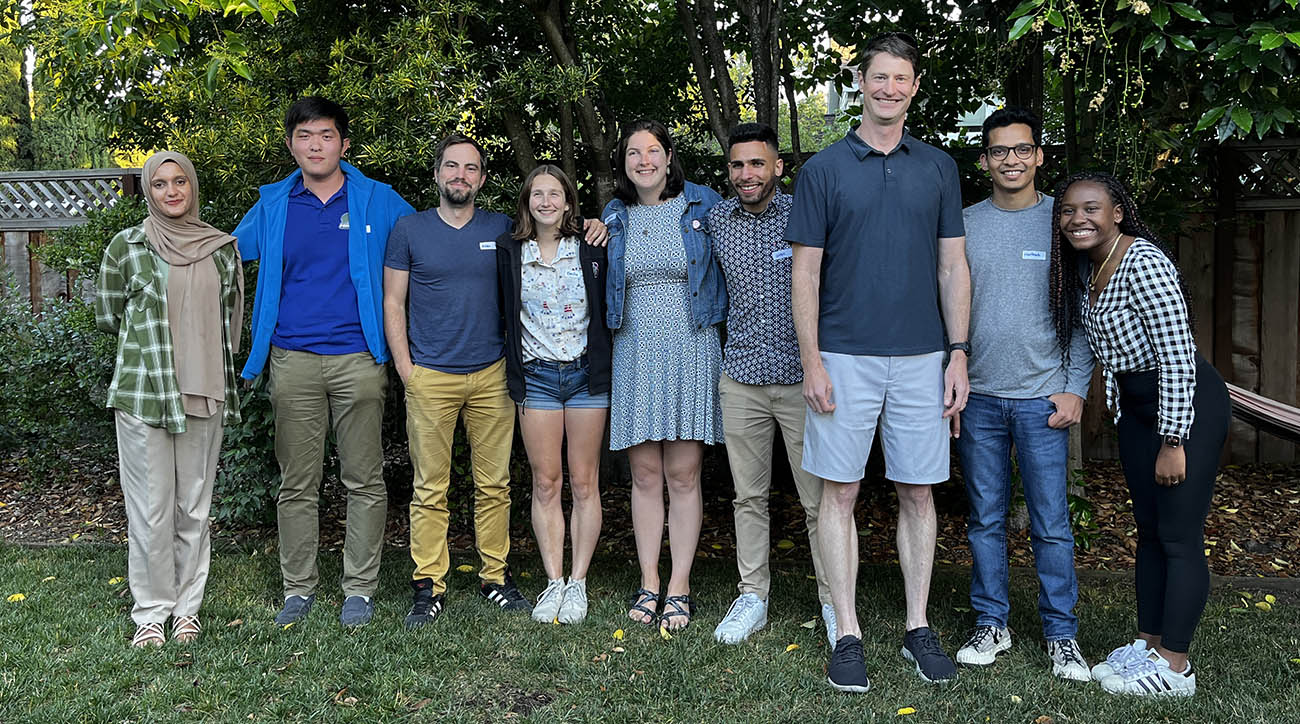
Research group
 |
Gabriela Calana
Disaster resilience and system reliability |
 |
Omar Issa
Engineering modeling for assessing and optimizing seismic resilience at building-level and regional scales |
 |
Emily Mongold
Regional risk assessment considering earthquake ground shaking and sea level rise |
 |
Nicole PaulPh.D. student at University College London Co-supervised by Carmine Galasso and Jack Baker Population displacement following disasters |
 |
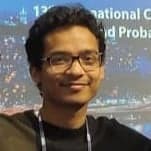
Jaelen SobersUndergraduate researcher Effect of sea level rise on regional liquefaction risk assessment |
 |
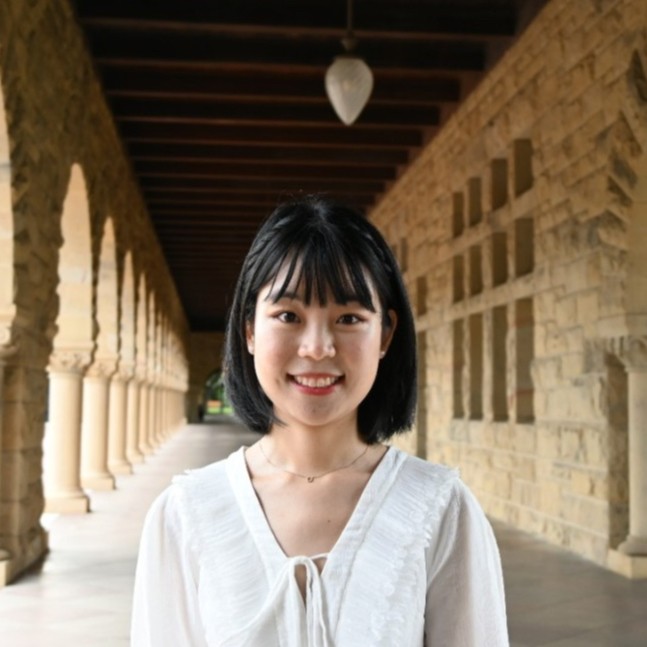
Neetesh SharmaStanford Urban Resilience Initiative postdoctoral scholar Distributed infrastructure resilience assessment |
 |
Tinger Zhu
Regional assessement of indirect economic losses from disasters |
Former research students and postdocs
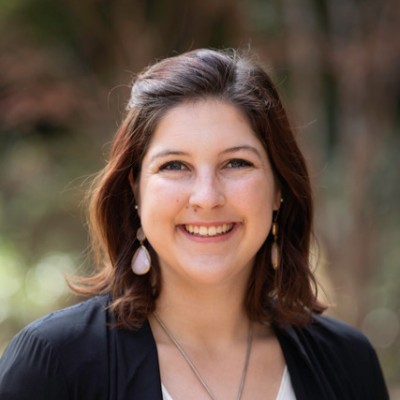 |
Corinne Bowers (Ph.D., 2023)
Currently at the U.S. Geological Survey Characterizing hydrologic and economic risk due to flooding driven by atmospheric rivers |
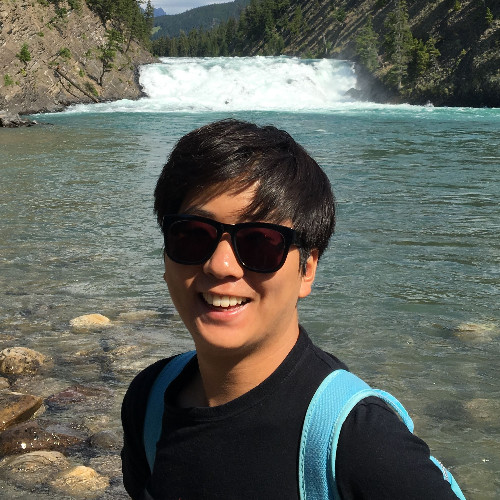 |
Peter Lee (M.S., 2023)
Wildfire risk and recovery modelling |
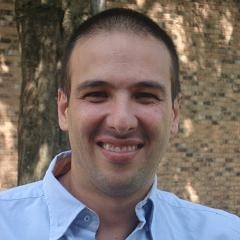 |
Mauricio Sánchez-SilvaVisiting Shimizu Professor, 2023 Professor of Civil Engineering, University de los Andes Dynamic Infrastructure Systems to address sustainable urbanization and climate change challenges |
 |
Rodrigo Silva Lopez (Ph.D., 2022)
Currently at PA Consulting |
 |
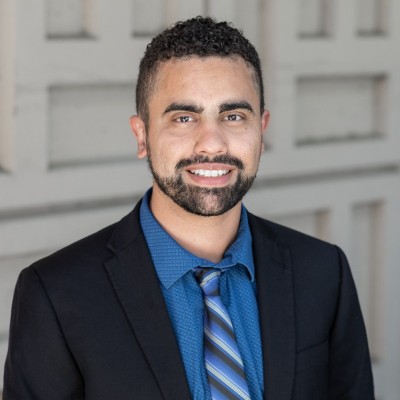
Lukas Bodenmann (Visiting Scholar, 2022)
Currently at ETH Zurich |
 |
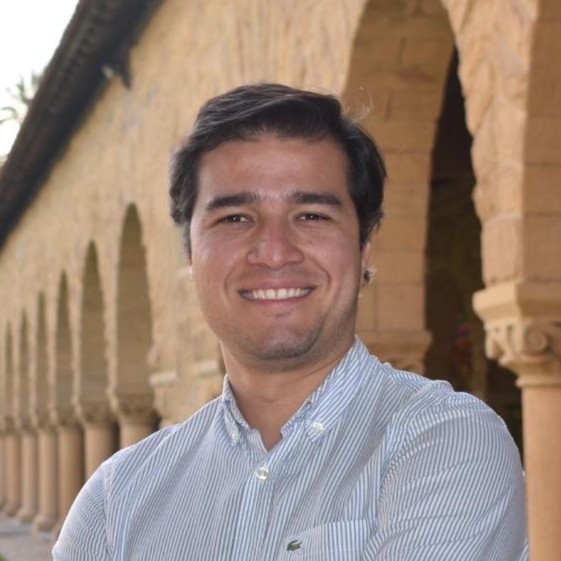
Rodrigo Costa (Postdoctoral Scholar, 2020-2022)
Currently at University of Waterloo Housing Recovery Simulation, Business Recovery |
 |
Francisco Galvis (Ph.D., 2022)Primary advisor: Greg Deierlein Currently at Thornton Tomasetti Seismic risk and post-earthquake recovery of older tall buildings with welded steel moment frames |
 |
Jimmy Zhang (M.S., 2022)
Currently at Arup Enhancing post-disaster recovery modeling through high-fidelity household income estimation |
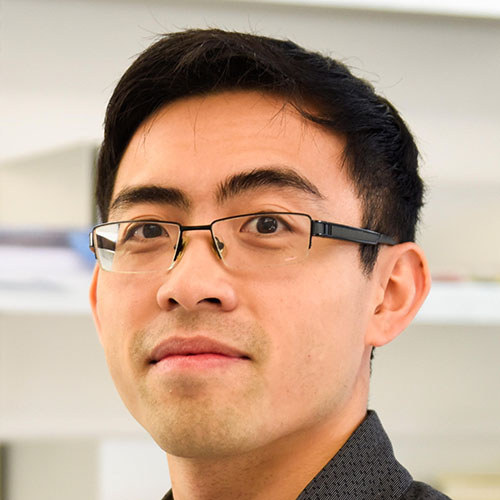
 | Joshua Dimasaka (M.A., Public Policy, 2022)
Currently at University of Cambridge |
 |
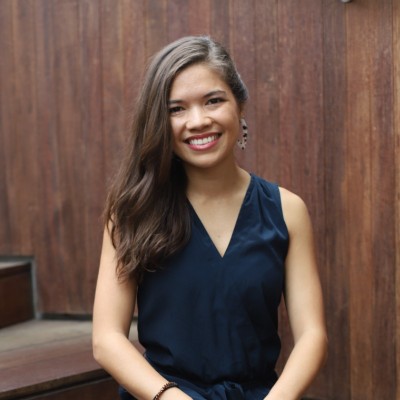
Neal Simon Kwong (Postdoctoral Researcher, 2019-2021)USGS Mendenhall Postdoctoral Scholar, advisors Kishor Jaiswal, Nico Luco, Jack Baker, Kristin Ludwig Currently at U.S. Geological Survey Selecting three components of ground motions from conditional spectra for multiple stripe analyses Earthquake risk of gas pipelines in the conterminous United States and its sources of uncertainty |
 |
Sabine Loos (Ph.D., 2021)Co-advisors: David Lallemant and Jack Baker Currently at University of Michigan |
 |
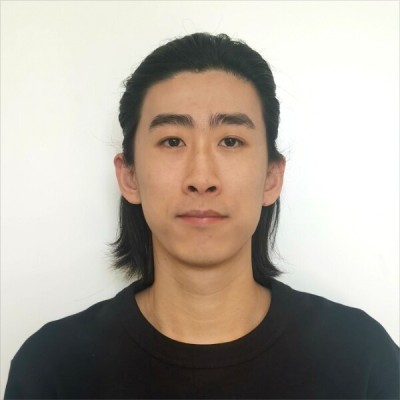
Ganyu Teng (Ph.D., 2021)
Currently at Amazon Short-term hazard analysis in the presence of induced seismicity |
 |
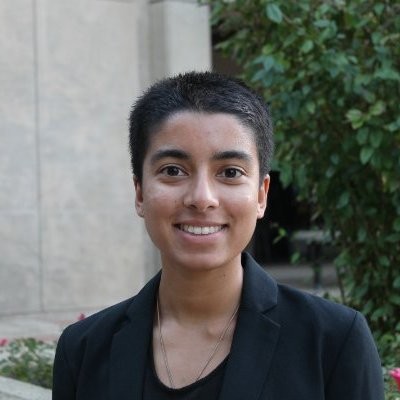
Yilin Chen (Ph.D., 2021)
Currently at Twitter Geostatistical and network analysis of non-stationary spatial variation in ground motion amplitudes |
 |
Gitanjali Bhattacharjee (Ph.D., 2021)
Currently at Exponent Seismic risk mitigation strategies for complex regional transport networks |
 |
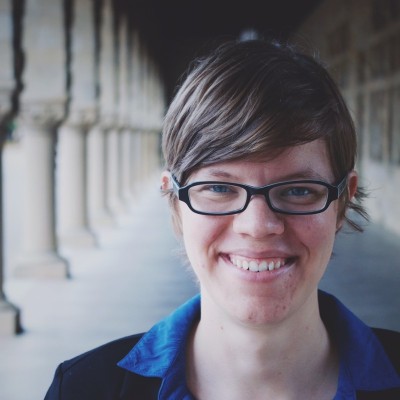
Chenbo Wang (M.S., 2021)
Currently at University College London |
 |
Anne Hulsey (Ph.D., 2020)Co-advisors: Greg Deierlein and Jack Baker Currently at University of Auckland |
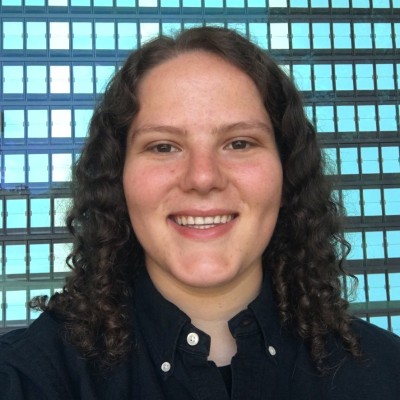 | Jenny Levitt (Undergraduate Researcher, 2019-2020)
|
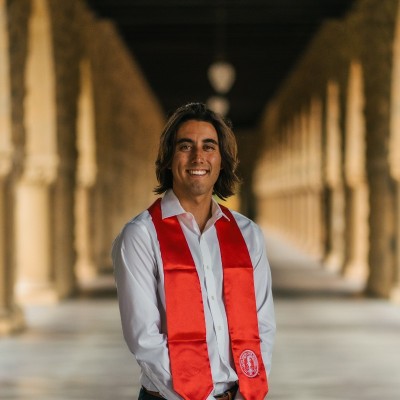 | Kei Tomozawa (Undergraduate Researcher, 2019)
Currently at Fervo Energy |
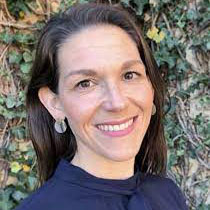 |
Katy Serafin (Postdoctoral Researcher, 2017-2019)Primary advisor: Jenny Suckale. Co-advisors: Jack Baker and Jeff Koseff
Currently at University of Florida Compounding flood hazards in a changing climate |
 |
Maryia Markhvida (Ph.D., 2019)
Currently at The World Bank and New York University |
 |
Gemma Cremen (Ph.D., 2019)
Currently at University College London |
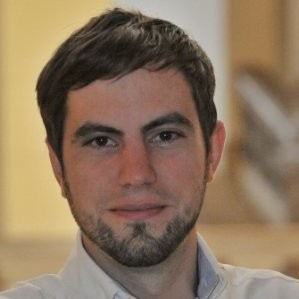 |
Adam Zsarnóczay (Visiting Scholar, 2017-2018)
Currently at NHERI SimCenter Uncertainty quantification for seismic risk analysis |
 |
Karen Barns (M.S., 2018)Currently at Arup Crowd-sourced remote assessments of regional-scale post-disaster damage |
 |
Abhineet Gupta (Ph.D., 2017)
Currently at Marqeta |
 |
David Lallemant (Postdoctoral researcher, 2016-2017)Primary advisor: Anne Kiremidjian. Co-advisors: Jack Baker and Greg Deierlein Currently at Nanyang Technological University Disaster risk modeling in rapidly changing urban environments |
 |
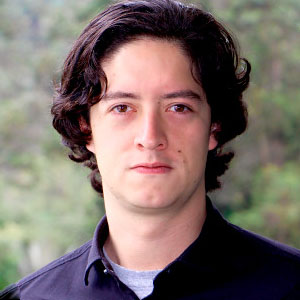
Jason Wu (Ph.D., 2017)
Currently at Thornton Tomasetti |
 |
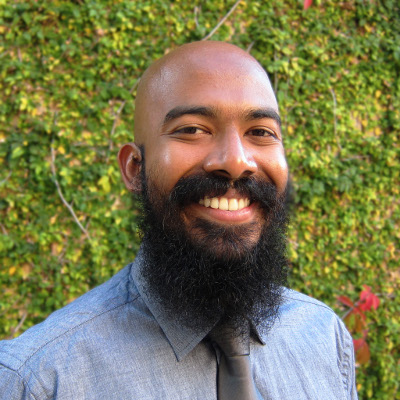
Camilo Gomez (Postdoctoral researcher, 2014-2016)
Currently at University de los Andes Characterization of complex infrastructure networks for decision-making |
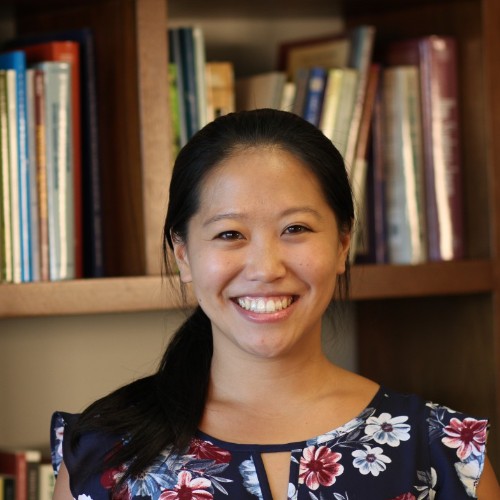
| Reagan Chandramohan (Ph.D., 2016)Co-advisors: Greg Deierlein and Jack Baker Currently at University of Canterbury Effect of long duration ground motions on structural performance |
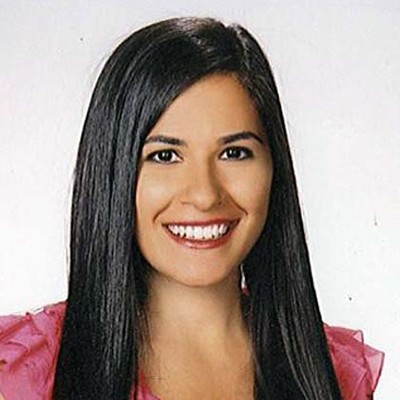
| Cynthia Lee (M.S., 2016)Currently at Cooper Union An Improved Algorithm for Selecting Ground Motions to Match a Conditional Spectrum |
 |
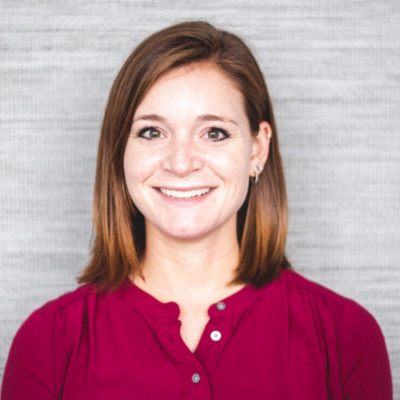
Beliz Ugurhan Gokkaya (Ph.D., 2015)Co-advisors: Greg Deierlein and Jack Baker Currently at Facebook |
 |
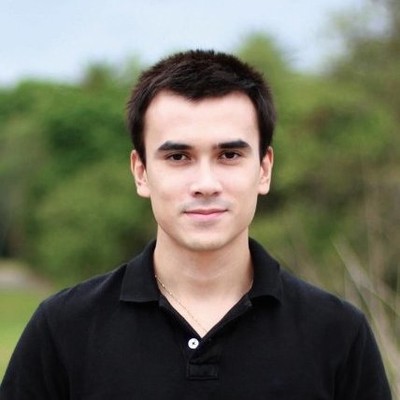
Lynne Burks (Ph.D., 2014)
Currently at One Concern Ground motion simulations: validation and application for civil engineering problems |
 |
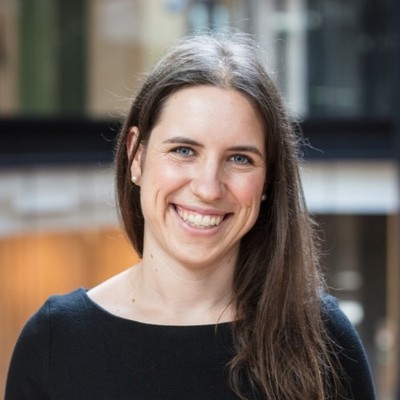
Christophe Loth (Ph.D., 2014)
Currently at Google |
 |
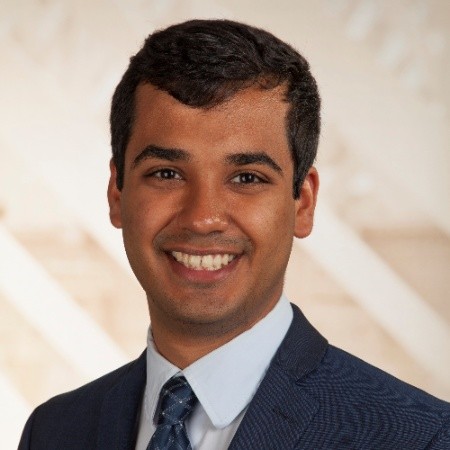
Mahalia Miller (Ph.D., 2014)
Currently at Google |
| Samuel Cortes (B.S., 2014)Currently at Simpson Gumpertz & Heger |
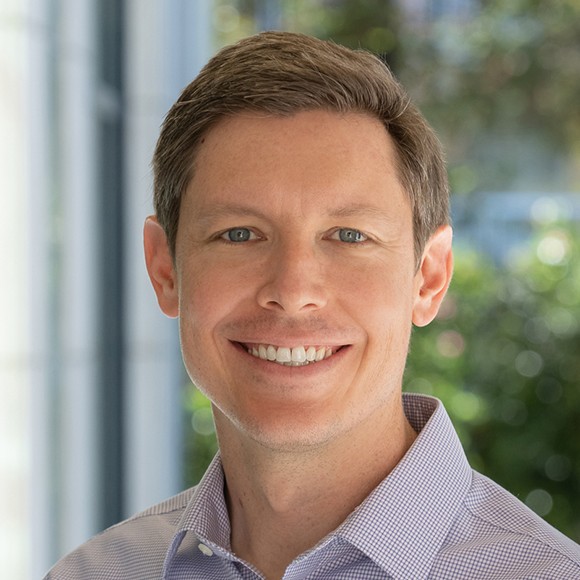 |
Andrew Seifried (Ph.D., 2013)
Currently at Lettis Consultants International Response spectrum compatibilization and its impact on structural response assessment |
 |
Shrey Shahi (Ph.D., 2013)
Currently at Robinhood |
 |
Jennifer (Foschaar) Schultz (M.S., 2012)Co-advisors: Greg Deierlein and Jack Baker Currently at SunPower Assessment of Ground Motion Duration Effects on Structural Collapse |
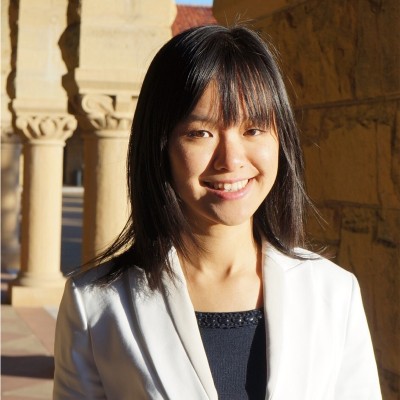 |
Ting Lin (Ph.D., 2012)
Currently at Texas Tech University Advancement of hazard consistent ground motion selection methodology |  |
Victor Victorsson (Ph.D., 2011)Primary advisor: Greg Deierlein. Co-advisors: Jack Baker and Helmut Krawinkler Currently at Swiss Re The reliability of capacity-designed components in seismic resistant systems |
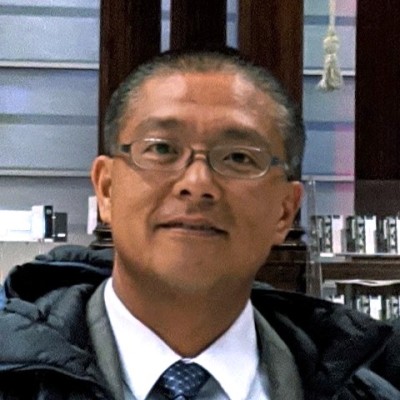 |
Yoshifumi Yamamoto (Ph.D., 2011)
Currently at Guidewire Stochastic model for earthquake ground motion using wavelet packets |
 |
Hyeuk Ryu (Postdoctoral researcher, 2008-2010)
Currently at Geoscience Australia Converting HAZUS capacity curves into fragility functions for risk assessment using PSHA, and Magnitude estimation of historical earthquakes using structural fragility functions |
 |
Nirmal Jayaram (Ph.D., 2010)
Currently at Google |
Other former research students
Mariano Balbi
Tamika Bassman
Julie Clarke
Yang Dang
Yiwen Dong
Jorenne Flores
Jessica Jacobo
Sara Jozefiak
Ji Yun Lee
Jiate Li
Tong Liu
Jeltsin Obregon
Joshua Salas
Jaewon Saw
Bo Shen
Ju-Young Shin
Ethan Thomson
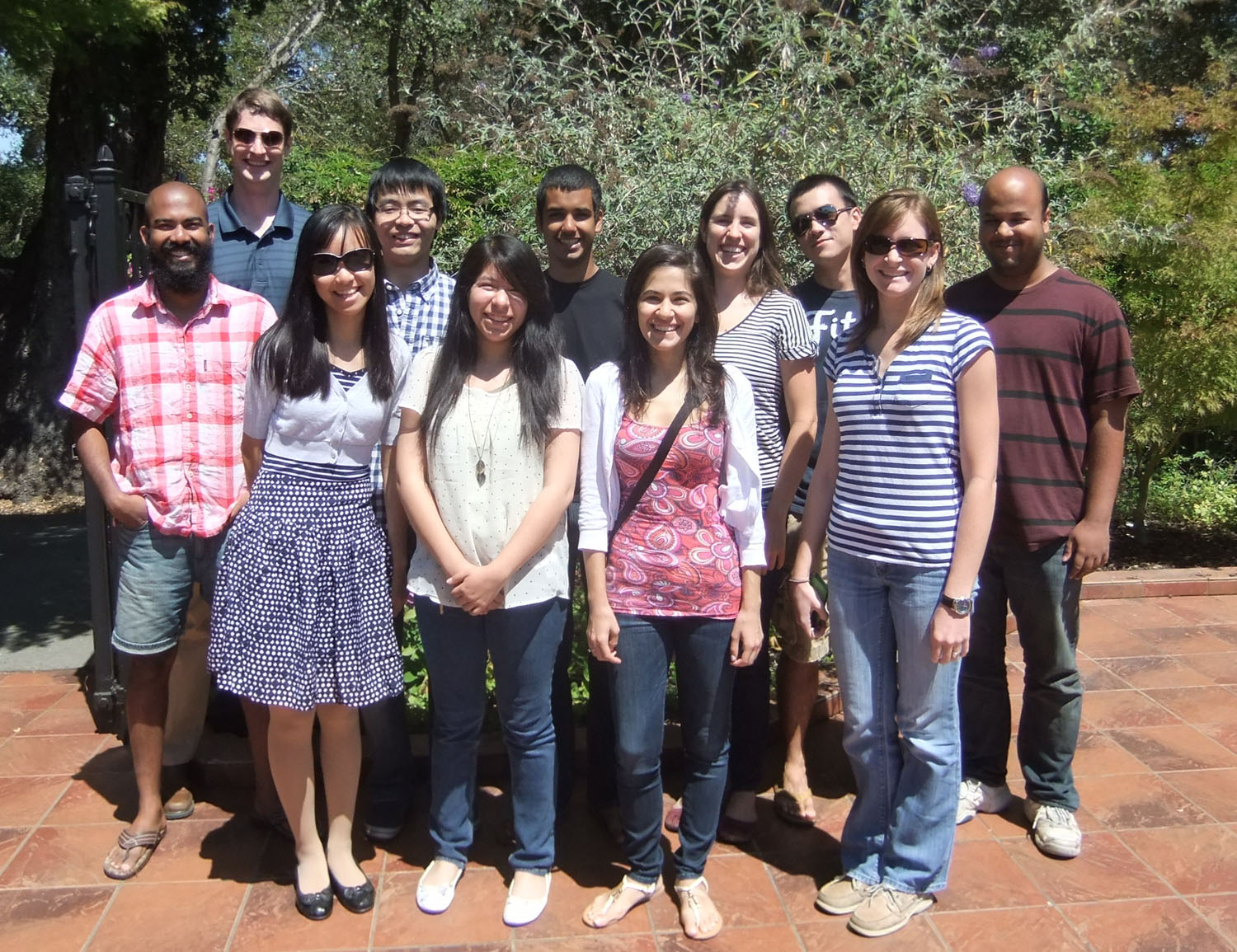
Old group photos
2022
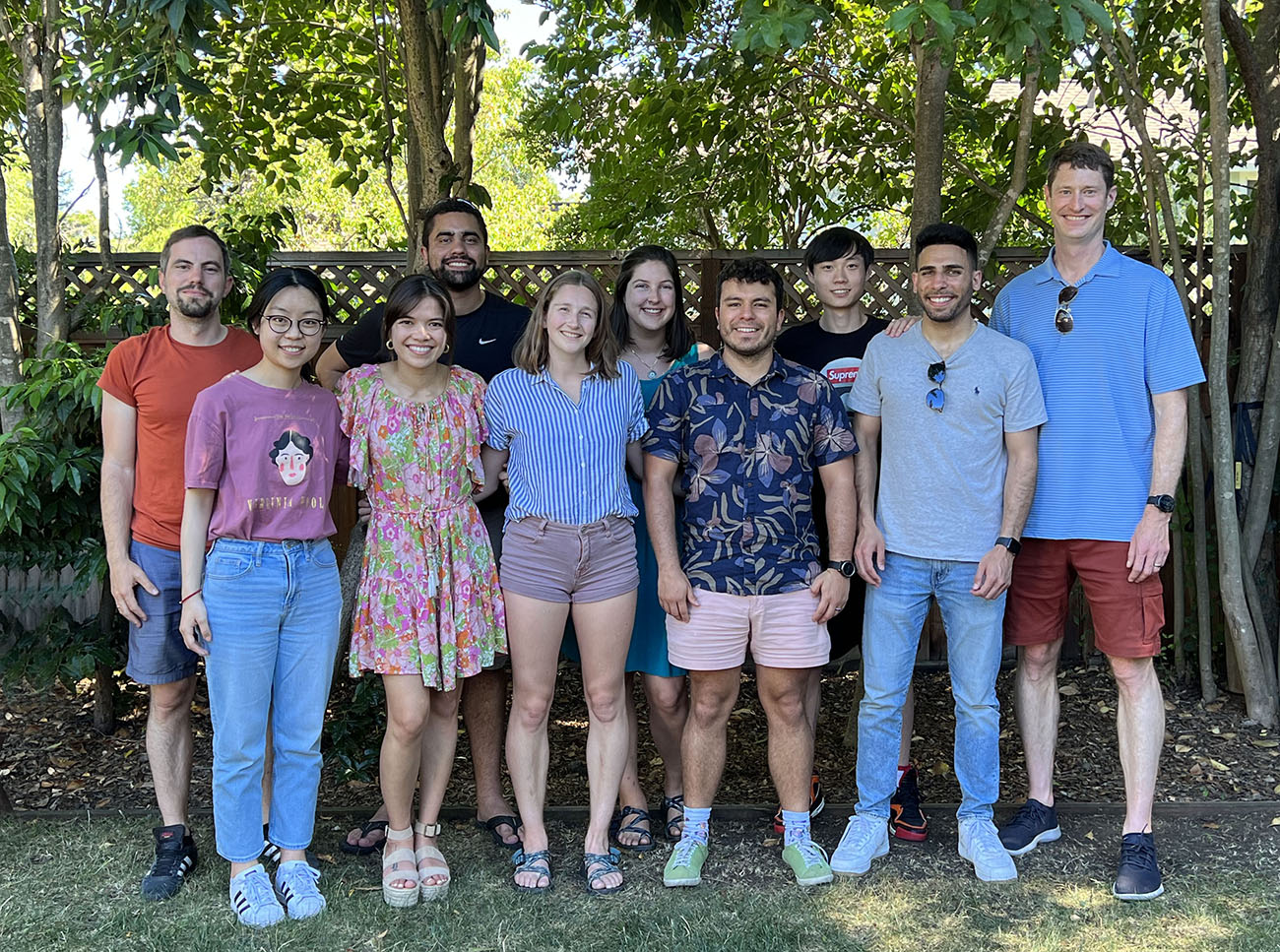
Local members and collaborators, 2021
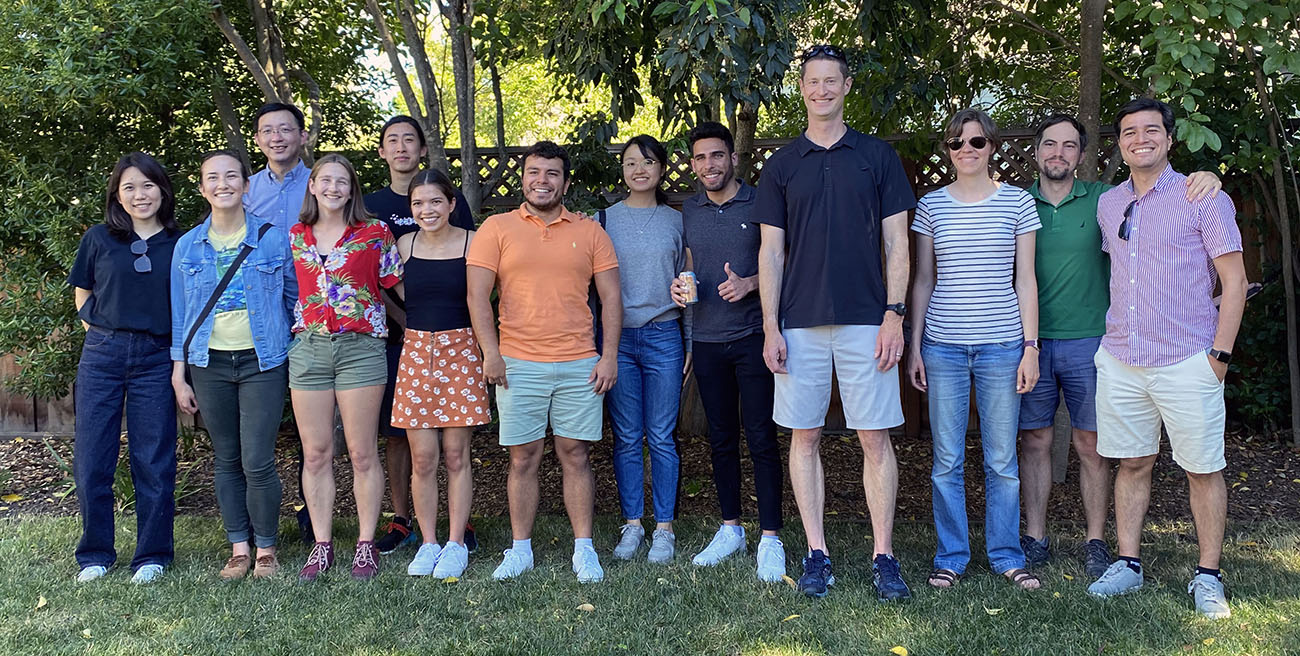
2020

2019
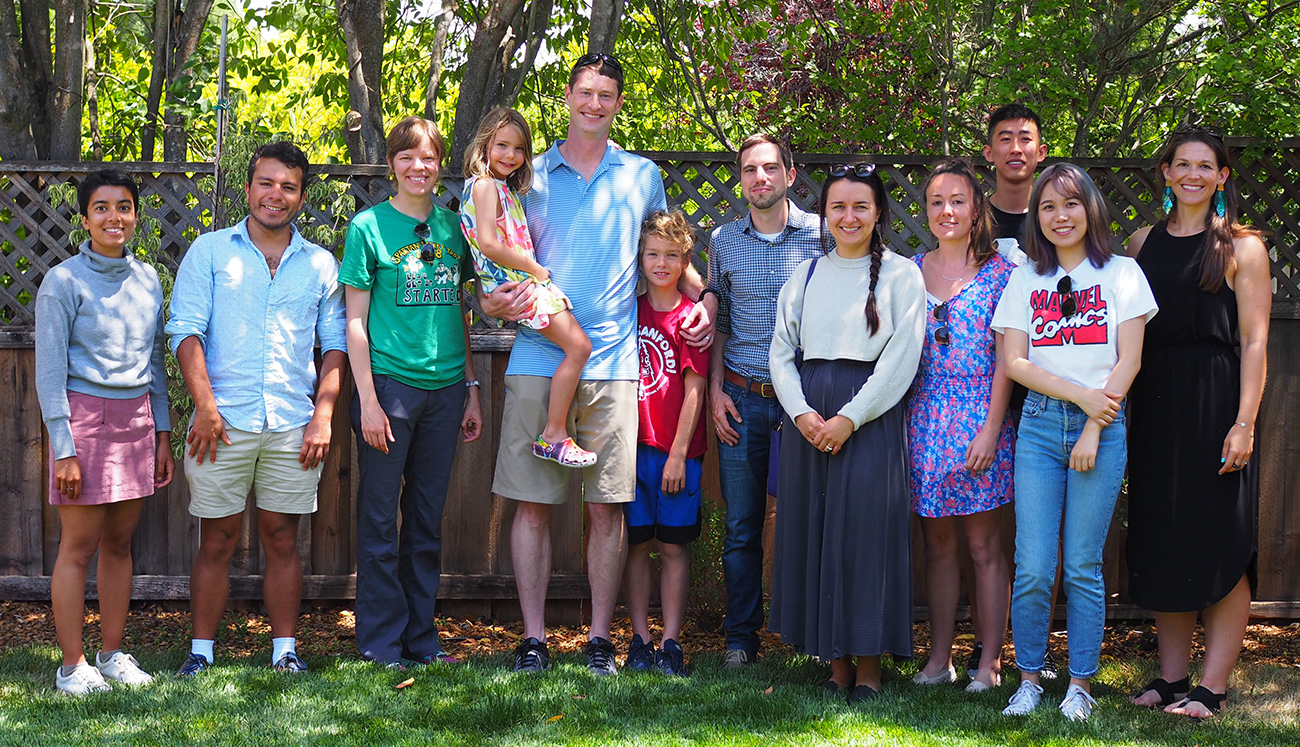
2018
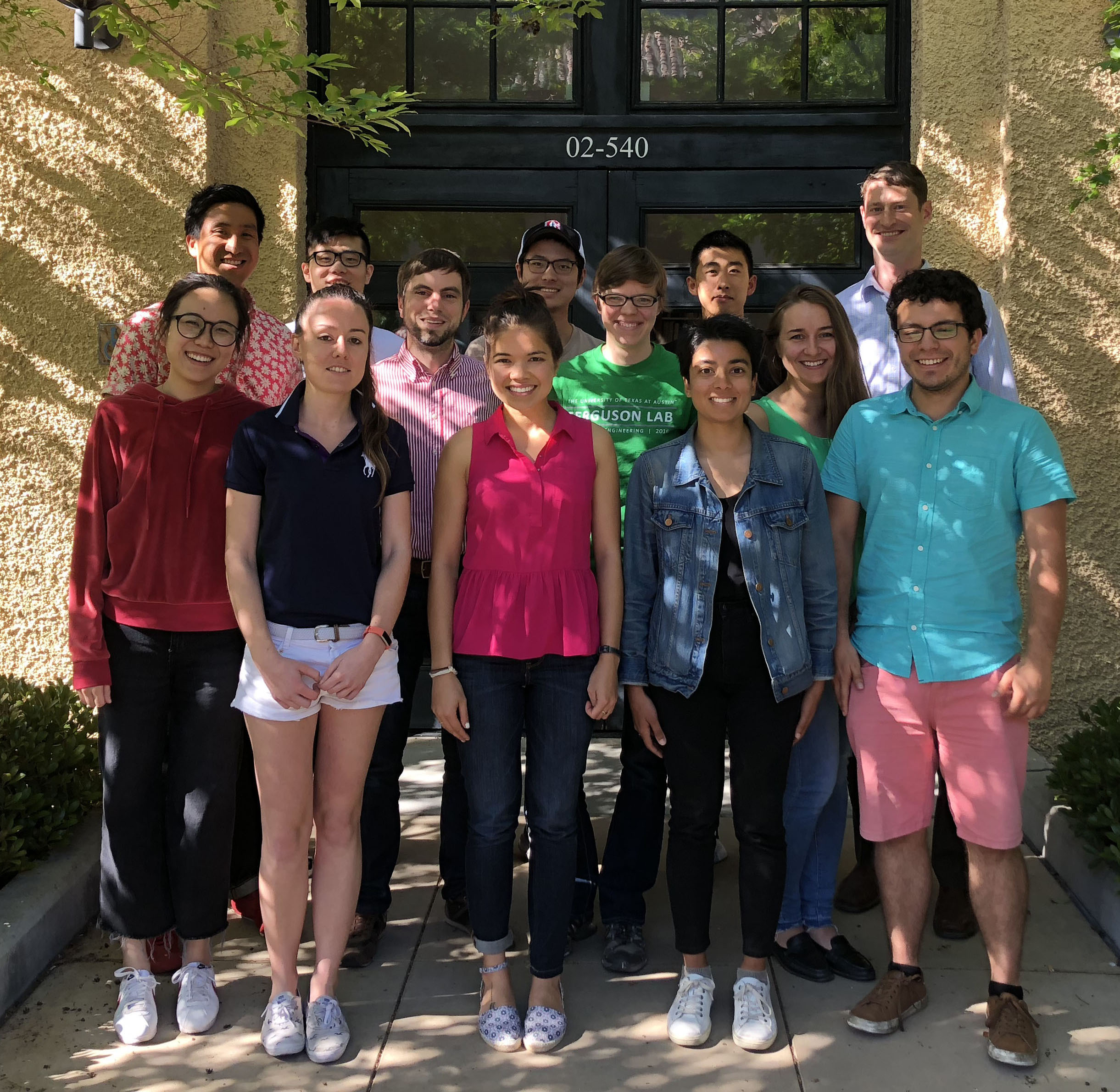
2017
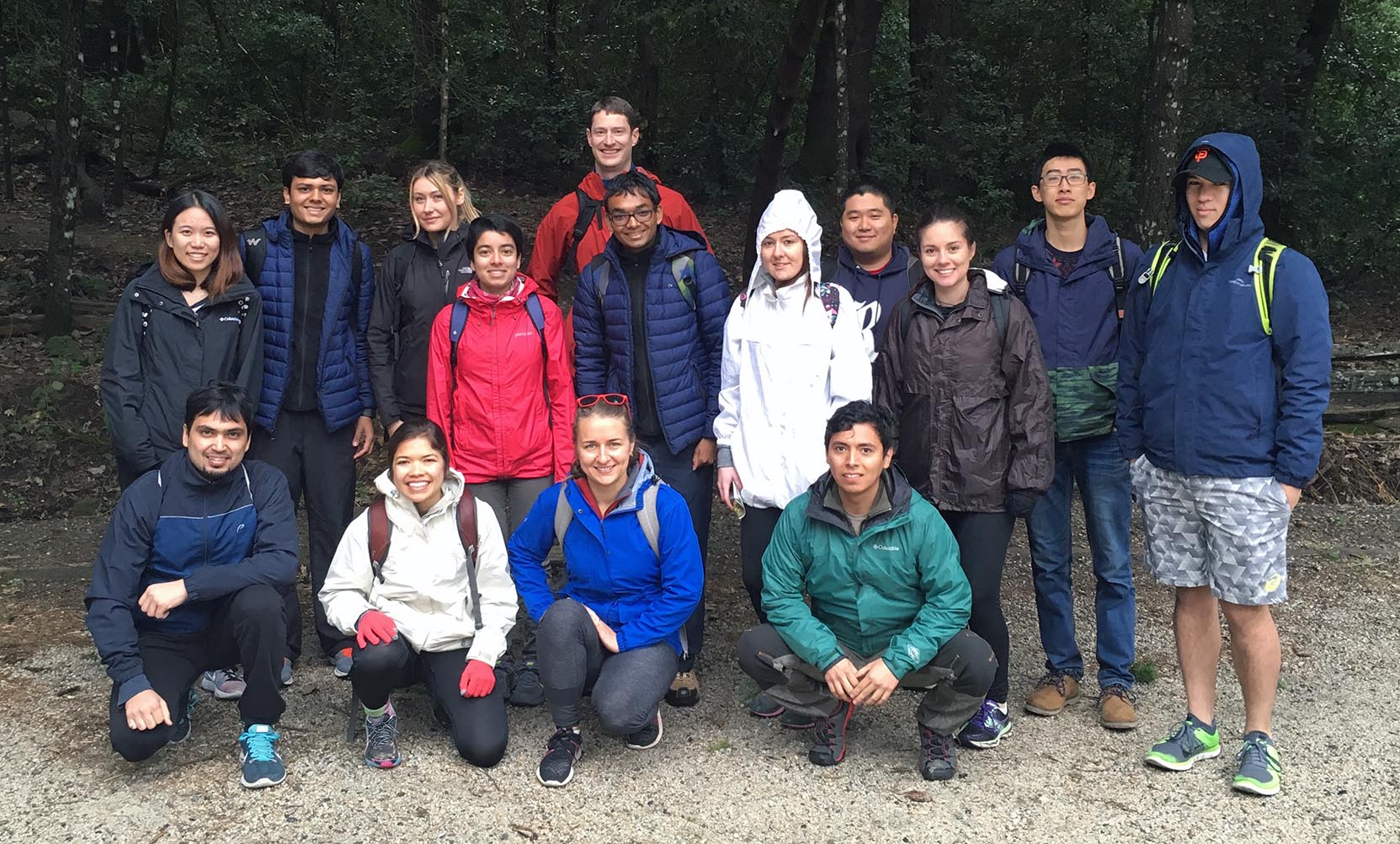
Group members and local alumni, 2015

2014
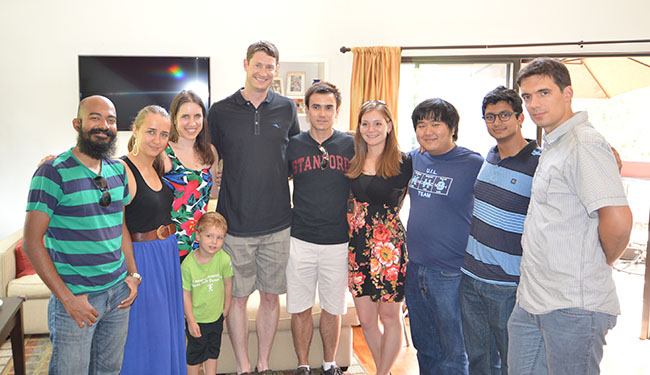
2013
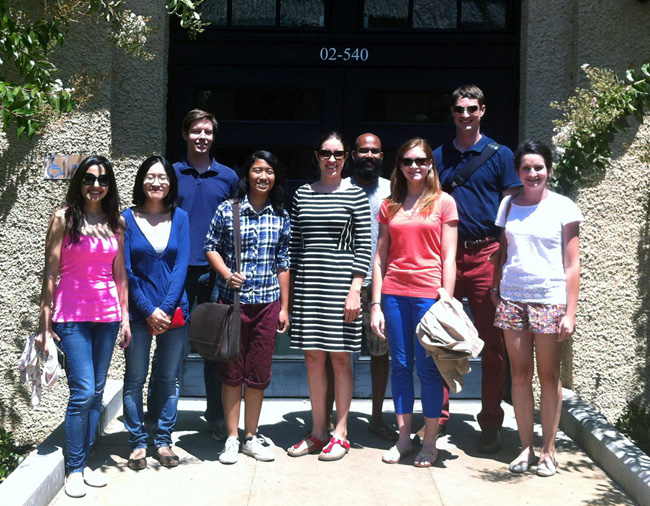
2012